
Blocked Fallopian Tubes Treatment in Noida Diagnosis and personalised management of tubal factor infertility
Blocked fallopian tubes are a common cause of infertility, preventing the egg and sperm from meeting naturally or preventing a fertilised egg from reaching the uterus. Diagnosis and treatment options depend on the location and extent of the blockage.
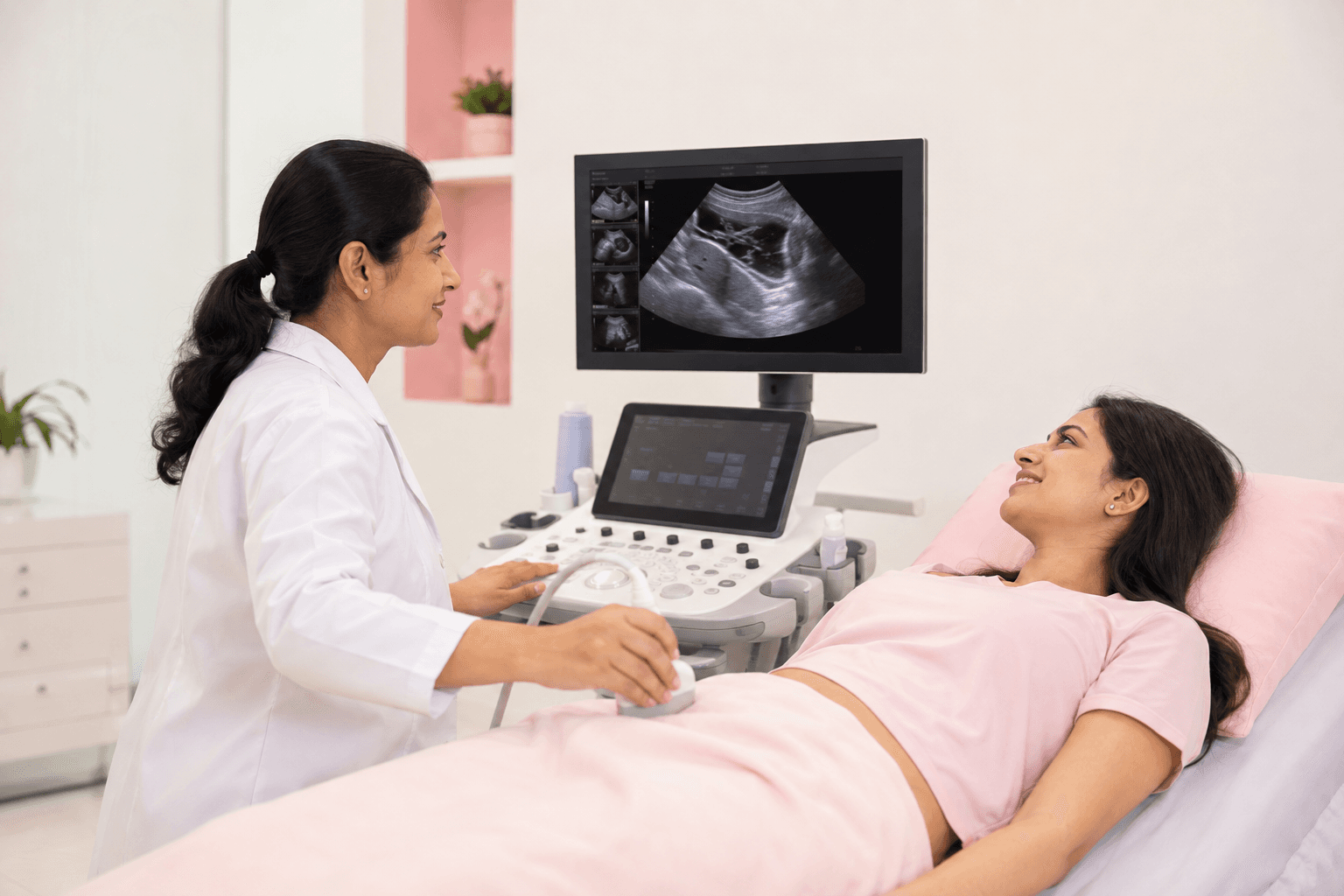
What is Blocked Fallopian Tubes Treatment?
The fallopian tubes are the pathway through which the egg travels from the ovary to the uterus, and where fertilisation with sperm normally takes place. A blockage anywhere along the tubes can prevent this process, contributing to infertility.
Tubal blockage may occur on one or both sides, and can range from partial to complete blockage. Common causes include previous pelvic infection, endometriosis, previous surgery, or a history of ectopic pregnancy.
At Divine IVF, Sector 76, Noida, Dr. Mandavi Rai evaluates tubal factor infertility using imaging tests and, where appropriate, discusses both surgical and non-surgical treatment pathways, including IVF.
How it works
Step 1 – Medical History Review
Your doctor reviews your history for risk factors such as previous infection, surgery, or ectopic pregnancy.
Step 2 – Hysterosalpingography (HSG)
An X-ray-based test in which dye is passed through the uterus and tubes to check for blockage and assess the uterine cavity.
Step 3 – Alternative Imaging
In some cases, sonohysterography or laparoscopy with dye testing may be used to further assess the tubes.
Step 4 – Diagnosis Review
Findings are reviewed to determine the location, extent, and likely cause of any blockage.
Step 5 – Treatment Planning
Depending on the findings, your doctor discusses options including surgical correction, laparoscopy, or proceeding directly to IVF.
Benefits
- Identifies whether tubal blockage is contributing to infertility, guiding appropriate treatment
- Helps determine whether surgical correction may restore natural fertility potential
- Clarifies when IVF may be the more suitable option, bypassing the tubes altogether
- Can detect other findings, such as uterine cavity abnormalities, during the same evaluation
- Provides clarity and direction after a period of unexplained difficulty conceiving
Things to know
- Not all tubal blockages are correctable through surgery; the location and extent of blockage influence treatment options
- IVF may be recommended directly in cases of significant tubal damage, bypassing the need for tubal surgery
- Tubal surgery carries a small risk of ectopic pregnancy in future conception attempts
- HSG and similar tests can cause temporary discomfort, and pain relief is often recommended beforehand
- A hydrosalpinx (fluid-filled blocked tube) may need to be addressed before IVF, as it can reduce treatment success
Getting ready
Tubal assessment tests such as HSG are typically performed at a specific time in your menstrual cycle, usually after your period ends and before ovulation — the clinic will confirm timing.
You may be advised to take a mild pain reliever before certain tubal tests, as they can cause temporary cramping.
Inform your doctor of any known pelvic infection or allergy to contrast dye before undergoing HSG.
What to expect
Tubal assessment tests such as HSG are performed as outpatient procedures and typically take only a short time, though they can cause temporary cramping similar to period pain. Your doctor will explain the specific test recommended for you and what to expect. Results are usually reviewed at a follow-up consultation, where treatment options are discussed based on the findings.
Blocked Fallopian Tubes Treatment in Noida
Diagnosis and personalised treatment planning for tubal factor infertility at Divine IVF, Noida.
📍 Sector 76, Noida, Uttar Pradesh
📞 Call: +91 7678451808

Common Causes of Tubal Blockage
Pelvic Inflammatory Disease
Infection of the reproductive organs, often related to sexually transmitted infections, can cause scarring and blockage of the tubes.
Endometriosis
Tissue similar to the uterine lining growing outside the uterus can cause scarring that affects the fallopian tubes.
Previous Pelvic Surgery
Surgery in the pelvic area can sometimes lead to adhesions or scar tissue affecting the tubes.
Ectopic Pregnancy
A previous ectopic pregnancy, or its treatment, can affect the affected tube`s function.
Congenital Abnormalities
Some women are born with structural differences in the fallopian tubes that can affect fertility.
Signs That May Suggest Tubal Factor Infertility
Tubal blockage often has no specific symptoms, but certain history may raise suspicion, including:
Many women with tubal blockage have no symptoms at all, which is why testing is important when infertility is unexplained.

Who Should Be Evaluated for Tubal Blockage
Consider tubal evaluation if:
Tubal assessment is often combined with other fertility tests for a complete evaluation.
Tests to Evaluate the Fallopian Tubes
Several tests can be used to assess whether the fallopian tubes are open and functioning:
Hysterosalpingography (HSG)
An X-ray test in which dye is passed through the uterus and tubes to identify blockage and assess the uterine cavity.
Sonohysterography (HyCoSy)
An ultrasound-based alternative that uses fluid or contrast to assess tubal patency.
Diagnostic Laparoscopy
A minimally invasive surgical procedure that allows direct visualisation of the tubes, and dye testing to confirm patency.
Hysteroscopy
May be combined with other tests to evaluate the uterine cavity alongside tubal assessment.
Treatment Options for Blocked Fallopian Tubes
Treatment depends on the location, extent, and cause of the blockage.
Laparoscopic Tubal Surgery
In select cases, surgery can remove scar tissue or open a blocked segment of the tube, depending on the extent of damage.
Treatment of Hydrosalpinx
A fluid-filled blocked tube may be surgically addressed before IVF to improve treatment success.
IVF/ICSI
Often recommended when tubal damage is significant, as it allows fertilisation to occur in the laboratory, bypassing the tubes.
Treating Underlying Causes
Addressing conditions such as endometriosis or infection as part of overall management.
Benefits of Tubal Evaluation and Treatment
- ✓ Identifies a Treatable CauseHelps determine whether tubal blockage is contributing to infertility.
- ✓ Clarifies the Best Path ForwardGuides the choice between surgical correction and IVF based on individual findings.
- ✓ Detects Related ConditionsTesting can reveal other findings, such as uterine cavity issues, at the same time.
- ✓ Supports Timely TreatmentEarly evaluation allows more time to consider and pursue the most suitable treatment option.
If you suspect tubal factor infertility or have not yet had your tubes evaluated, Dr. Mandavi Rai at Divine IVF, Noida can guide you through testing and treatment options.
Book Fertility ConsultationResources
Common questions
Common causes include previous pelvic infection, sexually transmitted infections, endometriosis, previous pelvic surgery, and ectopic pregnancy.
The most common test is hysterosalpingography (HSG), an X-ray-based test using dye to check for blockage; laparoscopy may also be used in some cases.
Some blockages can be treated surgically, depending on location and extent, while more significant damage is often managed with IVF instead.
It may still be possible to conceive naturally with one open, functioning tube, though this depends on individual circumstances.
No, surgery is considered based on the location and extent of blockage; in many cases, particularly with significant damage, IVF is recommended instead.
A hydrosalpinx is a fallopian tube blocked and filled with fluid, which may need to be addressed, sometimes surgically, before IVF to improve treatment success.
HSG can cause temporary cramping similar to period pain; pain relief before the test is commonly recommended.
Yes, tubal damage is a recognised risk factor for ectopic pregnancy, which is why careful monitoring is important in early pregnancy after tubal treatment.
IVF is often recommended when both tubes are significantly blocked, as it allows fertilisation to occur outside the body, bypassing the tubes.
Cost depends on the specific tests required. Book a consultation for a personalised evaluation and estimate.
Ready to talk to Dr. Mandavi Rai?
Bring your questions, your history, and your pace — we`ll build the next step together.