
High-Risk Pregnancy Care in Noida Specialised monitoring and management for pregnancies with additional risk factors
A high-risk pregnancy is one where the mother, baby, or both may have an increased chance of complications, requiring closer monitoring and specialised care compared to a standard pregnancy.
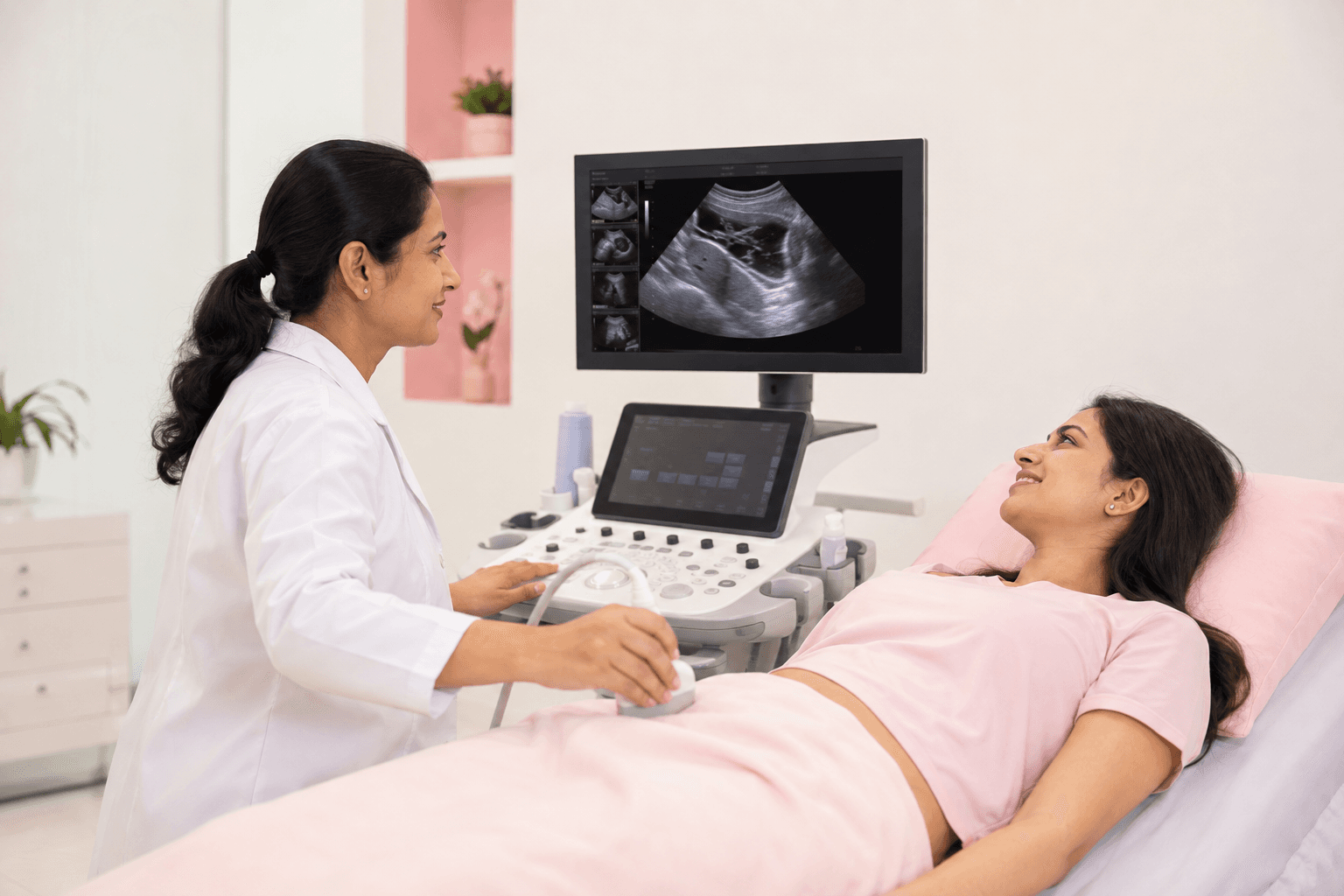
What is High-Risk Pregnancy Care?
A pregnancy may be classified as high-risk due to maternal factors, such as pre-existing medical conditions or advanced age, or pregnancy-related factors, such as gestational diabetes, hypertension, or multiple pregnancy. High-risk classification does not mean complications will definitely occur, but it does mean closer monitoring is generally recommended.
The specific care plan for a high-risk pregnancy depends on the identified risk factors and may involve more frequent visits, additional testing, and closer monitoring of both maternal and fetal wellbeing.
At Divine IVF, Sector 76, Noida, Dr. Mandavi Rai provides individualised care for high-risk pregnancies, with a monitoring plan tailored to the specific risk factors present.
How it works
Step 1 – Risk Assessment
Your doctor reviews your medical history, current pregnancy, and any identified risk factors to determine the level of monitoring needed.
Step 2 – Individualised Monitoring Plan
A tailored schedule of visits, blood tests, and ultrasound scans is developed based on your specific risk factors.
Step 3 – Regular Close Monitoring
Visits are typically more frequent than in a standard pregnancy, allowing early detection of any changes.
Step 4 – Specialist Coordination
Where needed, care may be coordinated with other specialists, such as endocrinologists or cardiologists, depending on the specific condition.
Step 5 – Delivery Planning
Delivery timing and mode are carefully planned based on maternal and fetal wellbeing as pregnancy progresses.
Benefits
- Provides closer monitoring tailored to your specific risk factors, supporting early detection of any concerns
- Coordinates care between specialists when a pre-existing medical condition requires joint management
- Supports informed decision-making around delivery timing and mode based on ongoing assessment
- Offers reassurance through more frequent contact with your care provider
- Helps manage conditions such as gestational diabetes or hypertension proactively throughout pregnancy
Things to know
- Being classified as high-risk does not mean complications will definitely occur — it means closer monitoring is recommended as a precaution
- The specific monitoring plan varies significantly depending on the individual risk factors involved
- Some high-risk factors are identified before pregnancy, while others develop during pregnancy and require a change in care plan
- Close communication with your care team about any new symptoms is an important part of high-risk pregnancy management
- Delivery planning for high-risk pregnancies may differ from standard pregnancies, depending on the specific risk factors
Getting ready
Bring a complete list of any pre-existing medical conditions and current medications to your consultation.
If you have a history of pregnancy complications, bring records from any previous pregnancies for review.
Your doctor may request additional blood tests or scans as part of your individualised high-risk monitoring plan — these will be scheduled as needed.
What to expect
High-risk pregnancy care generally involves more frequent visits and additional testing compared to a standard pregnancy, tailored to your specific risk factors. Your doctor will explain the reason for each additional test or scan and what is being monitored. While the term `high-risk` can feel concerning, many high-risk pregnancies proceed well with appropriate monitoring and management.
High-Risk Pregnancy Care in Noida
Individualised, closer monitoring for pregnancies with additional risk factors at Divine IVF, Noida.
📍 Sector 76, Noida, Uttar Pradesh
📞 Call: +91 7678451808

Common High-Risk Pregnancy Factors
Pre-Existing Medical Conditions
Conditions such as diabetes, hypertension, thyroid disorders, or autoimmune conditions present before pregnancy can increase risk and require closer monitoring.
Gestational Diabetes
Diabetes that develops during pregnancy, requiring monitoring and management to support maternal and fetal wellbeing.
Pregnancy-Induced Hypertension
High blood pressure that develops during pregnancy, which can range from mild to more serious conditions such as pre-eclampsia.
Multiple Pregnancy
Carrying twins or more increases the likelihood of certain complications, warranting closer monitoring throughout pregnancy.
Advanced Maternal Age
Pregnancy at age 35 or older is generally associated with a somewhat increased risk of certain complications, warranting additional monitoring.
Previous Pregnancy Complications
A history of conditions such as pre-eclampsia, preterm birth, or pregnancy loss may warrant closer monitoring in a subsequent pregnancy.
Signs That Need Prompt Evaluation in Pregnancy
Certain symptoms should be reported to your doctor promptly during pregnancy, including:
Your doctor will provide specific guidance on symptoms relevant to your individual risk factors.

Who Needs High-Risk Pregnancy Care
Closer monitoring may be recommended if you have:
Your doctor will assess your individual risk factors at your first antenatal visit and throughout pregnancy.
Monitoring in a High-Risk Pregnancy
Monitoring is tailored to your specific risk factors and may include:
More Frequent Visits
Closer spacing of antenatal visits allows earlier detection of any changes in maternal or fetal wellbeing.
Additional Blood Tests
Extra monitoring of blood sugar, blood pressure-related markers, or other relevant parameters depending on your condition.
Additional Ultrasound Scans
More frequent growth scans and, where needed, Doppler studies to assess blood flow to the baby.
Specialist Coordination
Joint management with relevant specialists when a pre-existing medical condition requires their input.
Managing a High-Risk Pregnancy
Management approaches vary depending on the specific risk factors present.
Lifestyle and Dietary Guidance
Tailored advice, particularly relevant for conditions such as gestational diabetes.
Medication Management
Careful use of medication when needed to manage conditions such as hypertension, under close supervision.
Delivery Planning
Discussion of the safest timing and mode of delivery based on ongoing assessment.
Postnatal Follow-Up
Continued monitoring after delivery, particularly for conditions such as gestational diabetes or hypertension.
Benefits of Specialised High-Risk Pregnancy Care
- ✓ Early DetectionCloser monitoring supports early identification of any developing concerns.
- ✓ Coordinated CareJoint management with relevant specialists when needed for pre-existing conditions.
- ✓ Personalised PlanningDelivery and management plans tailored to your specific risk factors.
- ✓ ReassuranceMore frequent contact with your care provider throughout a higher-risk pregnancy.
If you have a pre-existing condition or a pregnancy factor that may need closer monitoring, Dr. Mandavi Rai at Divine IVF, Noida can provide individualised high-risk pregnancy care.
Book High-Risk Pregnancy ConsultationResources
Common questions
A pregnancy may be classified as high-risk due to maternal factors such as pre-existing medical conditions or age, or pregnancy-related factors such as gestational diabetes, hypertension, or multiple pregnancy.
No, high-risk classification means closer monitoring is recommended as a precaution; many high-risk pregnancies proceed well with appropriate care.
Visit frequency is typically higher than in a standard pregnancy and depends on your specific risk factors; your doctor will provide an individualised schedule.
Yes, gestational diabetes is commonly managed through diet, monitoring, and sometimes medication, with regular follow-up throughout pregnancy.
Twin and other multiple pregnancies are generally considered higher-risk due to increased chances of certain complications, and typically involve closer monitoring.
Not necessarily — the mode of delivery depends on your specific circumstances and is discussed with your doctor as pregnancy progresses.
Yes, many women with high-risk pregnancies deliver healthy babies with appropriate monitoring and management.
Additional tests may include more frequent ultrasound scans, blood pressure monitoring, blood sugar testing, and other tests specific to the identified risk factors.
Yes, your obstetrician may coordinate care with relevant specialists, such as an endocrinologist or cardiologist, depending on your condition.
Cost depends on the specific monitoring and tests required. Book a consultation for a personalised assessment and plan.
Ready to talk to Dr. Mandavi Rai?
Bring your questions, your history, and your pace — we`ll build the next step together.