
Embryo Freezing in Noida Preserving embryos safely for future use through advanced vitrification
Embryo freezing, also called embryo cryopreservation, is the process of freezing and storing embryos created during an IVF cycle so they can be used at a later date. It offers flexibility and can improve the overall chance of pregnancy from a single stimulation cycle.

What is Embryo Freezing?
Embryo freezing is a laboratory technique in which embryos created through IVF or ICSI are cooled and stored at very low temperatures, most commonly using a rapid-freezing method called vitrification. This process preserves embryos so they can later be thawed and transferred in a frozen embryo transfer (FET) cycle.
Freezing may be used for surplus embryos remaining after a fresh transfer, for all embryos in a cycle when a freeze-all approach is recommended, or specifically to allow time for additional testing, such as preimplantation genetic testing, before transfer.
At Divine IVF, Sector 76, Noida, the embryology laboratory follows structured protocols for embryo grading, freezing, and secure long-term storage, with regular monitoring of stored embryos.
How it works
Step 1 – Embryo Culture
Following fertilisation, embryos are cultured in the laboratory and monitored for development over several days.
Step 2 – Embryo Grading
Embryologists assess embryo quality and developmental stage to determine suitability for freezing.
Step 3 – Vitrification
Suitable embryos undergo vitrification, a rapid-freezing technique that helps prevent ice crystal formation and supports embryo survival after thaw.
Step 4 – Secure Storage
Frozen embryos are labelled and stored in secure cryogenic tanks, with strict identification and tracking protocols.
Step 5 – Future Thaw and Transfer
When you are ready for a frozen embryo transfer, embryos are thawed and assessed for survival before being transferred into a prepared uterine lining.
Benefits
- Allows surplus embryos from a single stimulation cycle to be preserved and used later, potentially avoiding repeated egg retrieval
- Vitrification techniques generally support good embryo survival rates after thawing
- Provides flexibility to time frozen embryo transfer when the uterine lining is optimally prepared
- Supports a freeze-all strategy when recommended for safety reasons, such as OHSS risk
- Allows time for preimplantation genetic testing results before deciding which embryo to transfer
Things to know
- Not every embryo survives the freeze-thaw process, although vitrification generally supports high survival rates
- Storage duration and renewal terms should be clearly understood and agreed upon with the clinic
- Embryo freezing does not guarantee pregnancy in a future frozen transfer cycle
- Additional costs apply for storage over time, separate from the initial freezing procedure
- Legal consent from both partners is typically required for freezing, storage, and future use of embryos
Getting ready
No special physical preparation is required for embryo freezing itself, as it takes place in the laboratory after egg retrieval and fertilisation.
Discuss embryo storage consent forms and duration of storage with the clinic in advance, as these are legal and administrative requirements.
If freezing follows a fresh cycle, your doctor will explain which embryos are suitable for freezing based on their developmental grade.
What to expect
Embryo freezing does not involve any additional procedure for you personally beyond the egg retrieval already performed as part of IVF. The process takes place entirely within the embryology laboratory. Your clinic will inform you how many embryos were suitable for freezing and provide details of your storage agreement, including renewal timelines.
Embryo Freezing in Noida
Advanced vitrification technology to safely preserve embryos from your IVF cycle at Divine IVF, Noida.
📍 Sector 76, Noida, Uttar Pradesh
📞 Call: +91 7678451808

Why Embryos Are Frozen
Surplus Embryos After Fresh Transfer
When more good-quality embryos are created than needed for fresh transfer, remaining embryos can be frozen for future use.
Freeze-All Strategy
In some cycles, all embryos are frozen rather than transferred fresh — for example, to reduce OHSS risk or allow better lining preparation.
Awaiting Genetic Testing
When preimplantation genetic testing is performed, embryos are frozen while results are awaited before a suitable embryo is selected for transfer.
Fertility Preservation
Some patients freeze embryos ahead of medical treatments, such as chemotherapy, that may affect future fertility.
Factors That Influence Embryo Freezing Outcomes
Several factors are considered when assessing which embryos are suitable for freezing and their likely outcome after thaw:
Your embryology team will discuss which embryos were suitable for freezing after your cycle.
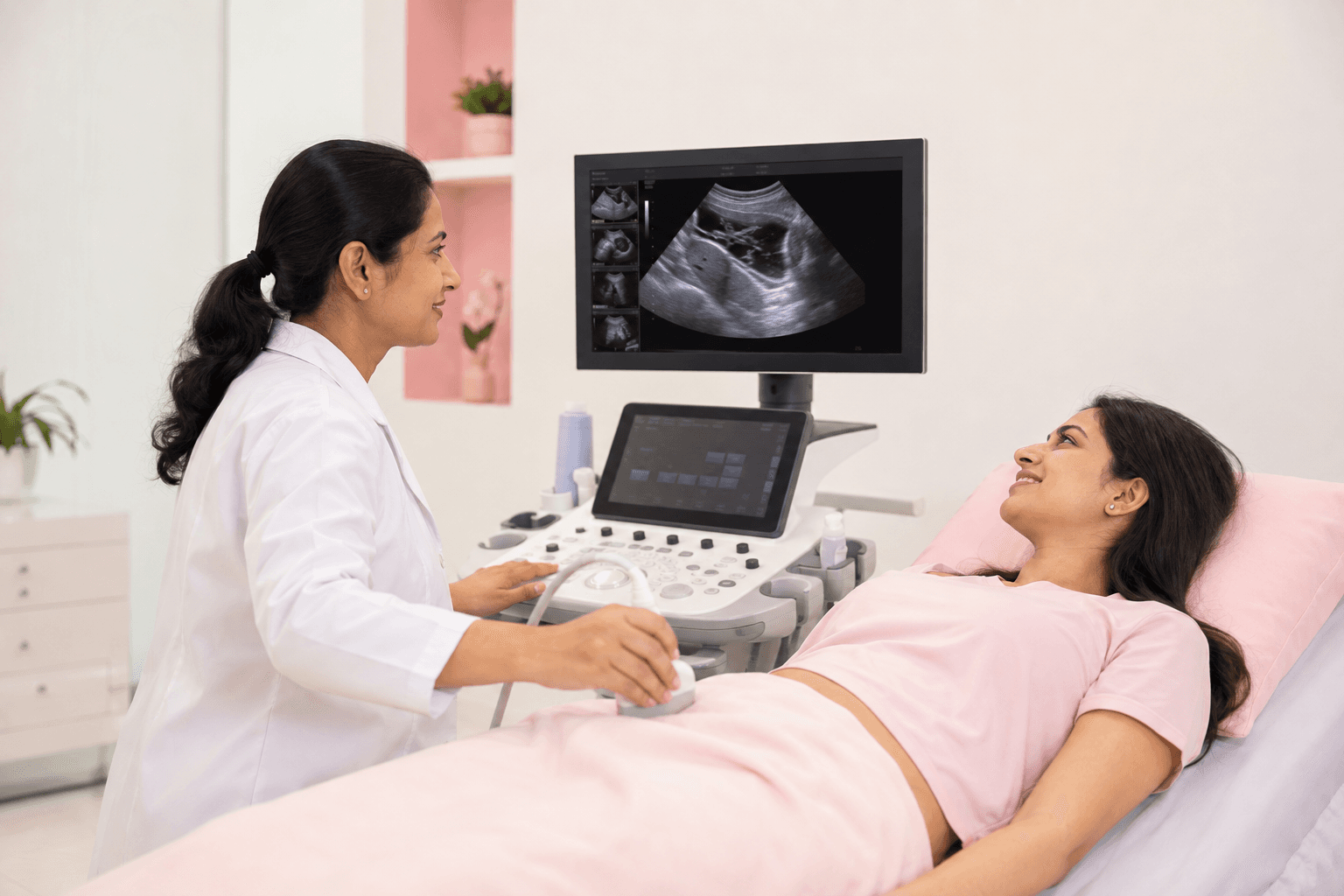


Who Should Consider Embryo Freezing
Embryo freezing may be relevant if you are in one of the following situations:
Your fertility specialist will advise whether freezing is appropriate for your specific cycle.
How Embryo Vitrification Works
Vitrification is the primary technique used for embryo freezing today, replacing older slow-freezing methods in most fertility laboratories:
Rapid Cooling
Embryos are exposed to cryoprotectant solutions and cooled extremely quickly, which helps prevent damaging ice crystal formation within the cells.
Glass-like Solidification
The rapid process causes the embryo`s internal fluid to solidify into a glass-like state rather than forming ice crystals.
Secure Cryogenic Storage
Vitrified embryos are stored in liquid nitrogen at extremely low temperatures within secure, monitored tanks.
Thawing for Transfer
When needed, embryos are warmed following a precise protocol and assessed for survival before proceeding to transfer.
What Happens After Freezing
Once embryos are frozen, a few pathways are typically available depending on your treatment plan.
Frozen Embryo Transfer (FET)
Embryos are thawed and transferred once the uterine lining is prepared, either using hormonal support or a natural cycle.
Continued Storage
Embryos can remain frozen for future use, subject to your clinic`s storage agreement and consent terms.
Additional Testing
Frozen embryos may be biopsied for genetic testing before a future transfer, in appropriate cases.
Review with Your Doctor
Periodic review of your stored embryos and future family planning goals with your fertility specialist.
Why Embryo Freezing Is Valuable
- ✓ Maximises a Single CycleSurplus embryos from one stimulation cycle can potentially support more than one pregnancy attempt.
- ✓ Improves Timing FlexibilityTransfer can be scheduled once the uterine lining and hormonal environment are optimally prepared.
- ✓ Supports SafetyFreeze-all strategies help reduce risks such as ovarian hyperstimulation syndrome in selected patients.
- ✓ Enables Genetic TestingFreezing allows time for preimplantation genetic test results before selecting an embryo for transfer.
If you would like to discuss embryo freezing as part of your IVF plan, Dr. Mandavi Rai and the embryology team at Divine IVF, Noida can explain your options in detail.
Book IVF ConsultationResources
Common questions
Embryo freezing is the process of preserving embryos created through IVF at very low temperatures, most commonly using vitrification, for use in a future frozen embryo transfer cycle.
Vitrification is a well-established laboratory technique that generally supports good embryo survival after thawing, though outcomes can vary by embryo quality.
Embryos can typically be stored for extended periods under appropriate cryogenic conditions; your clinic will explain their specific storage terms and renewal process.
Not every embryo survives the freeze-thaw process, although modern vitrification techniques generally support high survival rates.
A freeze-all approach may be recommended to reduce the risk of ovarian hyperstimulation syndrome, to allow the uterine lining more time to prepare, or to await genetic testing results.
Options typically include continued storage, donation for research (where permitted), donation to another couple, or discarding, depending on your wishes and local regulations.
Yes, written consent from both partners is generally required before embryos are frozen, stored, and used in future treatment.
Cost depends on the number of embryos frozen and the storage duration selected. Book a consultation for a personalised estimate.
Yes, preimplantation genetic testing can be performed either before freezing or after thawing, depending on your treatment plan.
Frozen embryo transfer uses previously frozen embryos, thawed and transferred in a separately prepared cycle, rather than in the same cycle as egg retrieval.
Ready to talk to Dr. Mandavi Rai?
Bring your questions, your history, and your pace — we`ll build the next step together.