
Fibroid Removal in Noida Diagnosis and treatment of uterine fibroids for symptom relief and fertility
Uterine fibroids are non-cancerous growths of the uterus that are very common, particularly in women of reproductive age. Depending on their size, number, and location, fibroids may cause symptoms or affect fertility, and treatment is tailored accordingly.
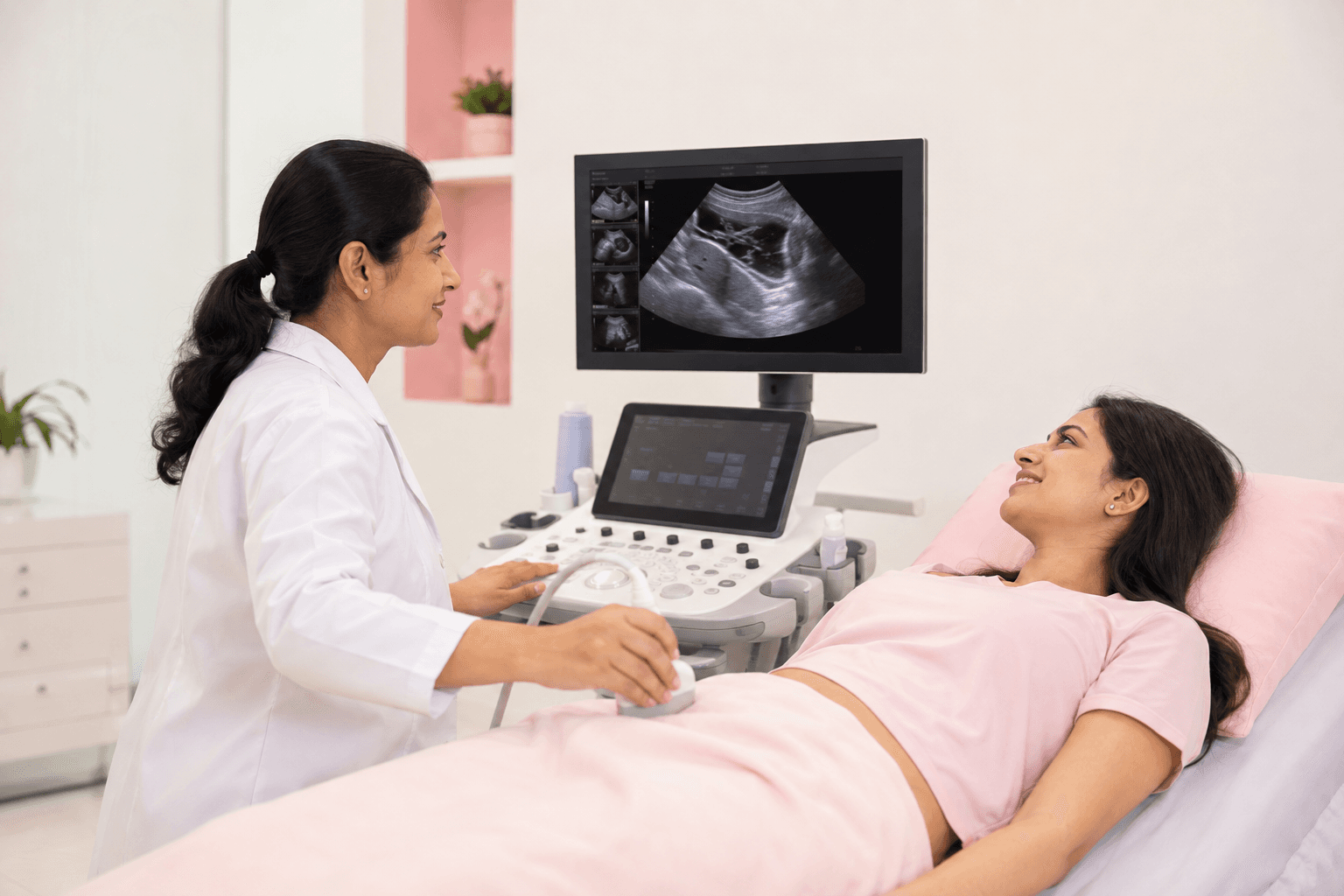
What is Fibroid Removal?
Uterine fibroids, also called leiomyomas, are non-cancerous growths that develop in or around the uterus. They vary widely in size, number, and location — some fibroids cause no symptoms at all, while others can cause heavy periods, pelvic pain, or affect fertility, depending on where they are situated.
Fibroids are classified based on their location: submucosal fibroids grow into the uterine cavity, intramural fibroids develop within the uterine wall, and subserosal fibroids grow on the outer surface of the uterus. This classification often guides treatment decisions.
At Divine IVF, Sector 76, Noida, Dr. Mandavi Rai evaluates fibroids using ultrasound and, where relevant, hysteroscopy, and discusses treatment options tailored to your symptoms, fibroid characteristics, and fertility goals.
How it works
Step 1 – Detailed History
Your doctor reviews your symptoms, menstrual pattern, and fertility goals.
Step 2 – Pelvic Ultrasound
Ultrasound assessment identifies the size, number, and location of fibroids.
Step 3 – Further Evaluation if Needed
Hysteroscopy or MRI may be used in select cases for more detailed assessment, particularly for fibroids affecting the uterine cavity.
Step 4 – Treatment Discussion
Your doctor discusses whether treatment is needed based on symptoms, fibroid characteristics, and fertility plans.
Step 5 – Treatment or Monitoring
Depending on the plan, this may involve medical management, surgical removal, or continued monitoring with follow-up ultrasound.
Benefits
- Clarifies whether fibroids are likely to be contributing to your symptoms or fertility difficulties
- Guides selection of the most appropriate treatment approach based on fibroid location and size
- Fibroid-focused surgery (myomectomy) preserves the uterus, which is important for women wishing to conceive in the future
- Can relieve symptoms such as heavy bleeding and pelvic pressure significantly
- Helps determine whether fibroids need to be addressed before proceeding with fertility treatment
Things to know
- Not all fibroids require treatment — many small, asymptomatic fibroids can simply be monitored
- The impact of fibroids on fertility depends heavily on their location, particularly those affecting the uterine cavity
- Fibroids can occasionally recur after removal, particularly in women with multiple fibroids
- Surgical approach depends on fibroid size, number, and location, and your doctor will explain the most suitable option
- Recovery time varies depending on whether a hysteroscopic, laparoscopic, or open surgical approach is used
Getting ready
Bring any previous ultrasound reports showing fibroid size, number, and location.
Keep track of your bleeding pattern, including cycle length and flow, before your consultation.
If surgery is being considered, your doctor will provide specific pre-operative instructions, including any required blood tests.
What to expect
Initial evaluation for fibroids typically involves a consultation and pelvic ultrasound, both of which are straightforward and well tolerated. If surgery such as myomectomy is recommended, your doctor will explain the specific approach — hysteroscopic, laparoscopic, or open — based on fibroid location and size, along with expected recovery time.
Fibroid Removal in Noida
Individualised evaluation and treatment of uterine fibroids for symptom relief and fertility at Divine IVF, Noida.
📍 Sector 76, Noida, Uttar Pradesh
📞 Call: +91 7678451808
Types of Uterine Fibroids
Submucosal Fibroids
Grow into the uterine cavity and are most likely to cause heavy bleeding and affect fertility or implantation.
Intramural Fibroids
Develop within the muscular wall of the uterus and are the most common type; larger ones can cause symptoms or affect the cavity shape.
Subserosal Fibroids
Grow on the outer surface of the uterus and are less likely to affect fertility, though large ones can cause pressure symptoms.
Pedunculated Fibroids
Attached to the uterus by a stalk, these can occur on either the inner or outer surface and are classified accordingly.
Common Symptoms of Fibroids
Symptoms depend on fibroid size, number, and location, and can include:
Many fibroids cause no symptoms and are discovered incidentally during routine examination or ultrasound.

Who Should Be Evaluated for Fibroids
Consider fibroid evaluation if you experience:
Evaluation helps determine whether your specific fibroids need treatment or can simply be monitored.
Diagnosing Fibroids
Diagnosis typically combines clinical assessment with imaging:
Pelvic Examination and History
Your doctor reviews your symptoms and performs a clinical examination as an initial step.
Pelvic Ultrasound
The primary imaging test used to identify fibroid size, number, and location.
Hysteroscopy
Allows direct visualisation of fibroids affecting the uterine cavity and can sometimes be combined with treatment.
MRI
May be used in select cases for more detailed mapping, particularly before complex surgery.
Treatment Options for Fibroids
Treatment depends on symptoms, fibroid characteristics, and whether fertility is a priority.
Watchful Monitoring
Small, asymptomatic fibroids are often simply monitored with periodic ultrasound.
Medical Management
Medication can help manage symptoms such as heavy bleeding in select cases.
Hysteroscopic Myomectomy
Used for fibroids within the uterine cavity, often with a relatively short recovery time.
Laparoscopic or Open Myomectomy
Used for larger or intramural/subserosal fibroids, chosen based on size, number, and location.
Benefits of Fibroid Evaluation and Treatment
- ✓ Symptom ReliefCan significantly reduce heavy bleeding, pain, and pressure symptoms.
- ✓ Fertility PreservationMyomectomy removes fibroids while preserving the uterus for future pregnancy.
- ✓ Individualised ApproachTreatment is matched to fibroid characteristics and your personal goals.
- ✓ Improved Fertility OutcomesAddressing cavity-distorting fibroids can improve chances of conception and implantation.
If you have symptoms of fibroids or a known diagnosis, Dr. Mandavi Rai at Divine IVF, Noida can help determine the most appropriate management plan for you.
Book ConsultationResources
Common questions
Uterine fibroids are non-cancerous growths that develop in or around the uterus, varying widely in size, number, and location.
No, many fibroids cause no symptoms and can simply be monitored; treatment is generally recommended when fibroids cause symptoms or affect fertility.
Fibroids can affect fertility, particularly those that distort the uterine cavity, though many women with fibroids conceive without difficulty.
A myomectomy is a surgical procedure to remove fibroids while preserving the uterus, an important option for women who wish to have children in the future.
Common symptoms include heavy or prolonged periods, pelvic pain or pressure, and in some cases, fertility difficulties; many fibroids cause no symptoms at all.
Yes, fibroids can occasionally recur, particularly in women with multiple fibroids, so follow-up monitoring may be recommended.
This classification refers to fibroid location — submucosal fibroids grow into the uterine cavity, intramural fibroids develop within the uterine wall, and subserosal fibroids grow on the outer surface, each with different implications for symptoms and fertility.
Fibroids are typically diagnosed using pelvic ultrasound, with hysteroscopy or MRI used in select cases for more detailed evaluation.
The extent of surgery depends on fibroid size, number, and location; some fibroids can be removed hysteroscopically with minimal recovery, while others require laparoscopic or open surgery.
Cost depends on the type and extent of surgery required. Book a consultation for a personalised evaluation and estimate.
Ready to talk to Dr. Mandavi Rai?
Bring your questions, your history, and your pace — we`ll build the next step together.